Why Diets Fail — and What Science Says Instead
Evidence-based articles about weight, appetite, and metabolism. No moralism, no miracle cures — just biology.
Science & Biology
Why weight control is harder than "eat less, move more". Hormones, adaptation, and what the research actually shows.

The Physics of Unfairness: Why Your Husband Eats More and "Witches" Don't Get Fat
Why do some people eat more and stay thin? NEAT, BMR, muscle mass, and perception bias — the science behind weight inequality.
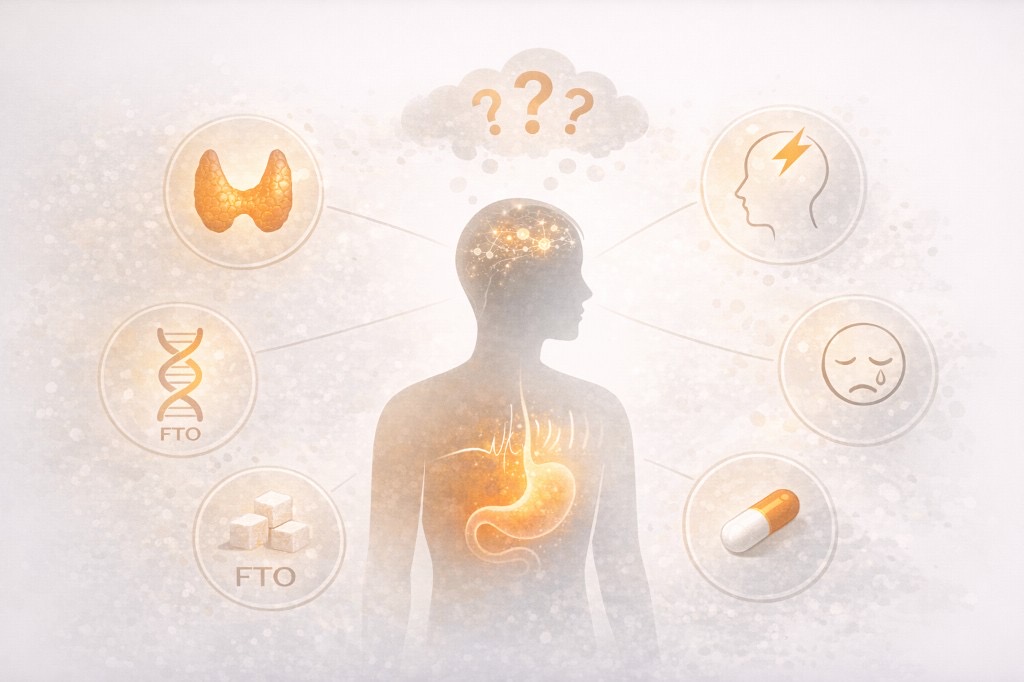
Increased Appetite: Normal Variation or Sign of Disease?
Increased appetite can be genetic trait or symptom. We explain FTO gene, hormones, hyperthyroidism, and when to see a doctor.
Food Cravings and "Food Noise": Why These Are Real Mechanisms, Not Fiction
Food cravings and food noise are driven by dopamine, hormones, and genetics — not lack of discipline. We explain the neurobiology.
Why does the body not stop weight gain?
Why severe obesity is possible even with appetite regulation: evolution built strong defenses against weight loss, not against chronic surplus.
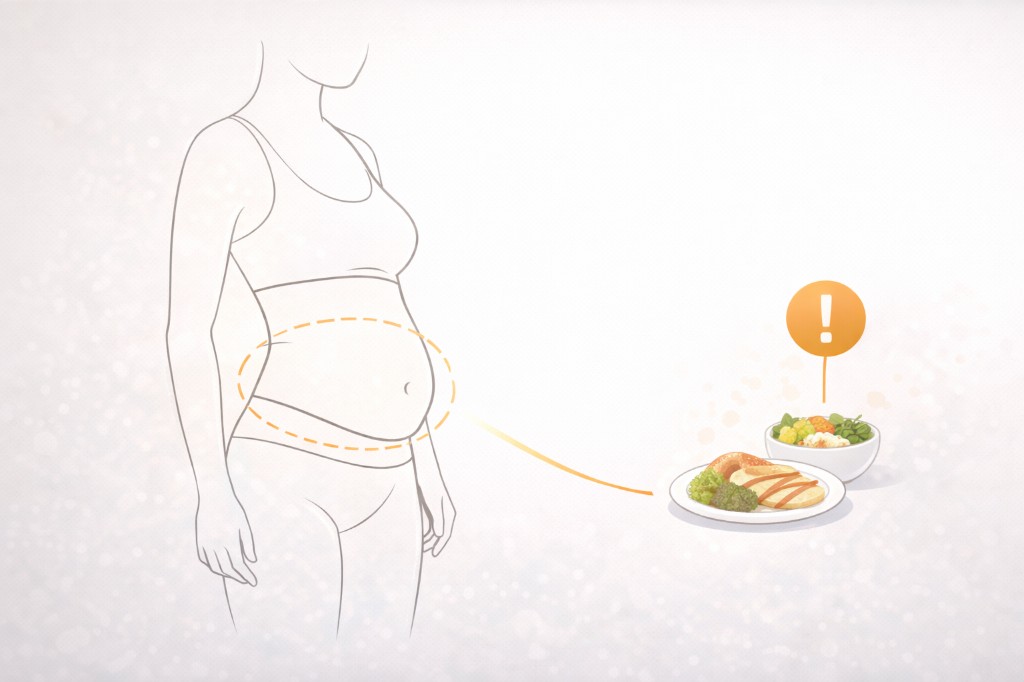
Why "belly fat" doesn't go away — even when you're losing weight
Why does belly fat persist even during weight loss? We analyze scientific reasons, the role of nutrition, hormones, and training.
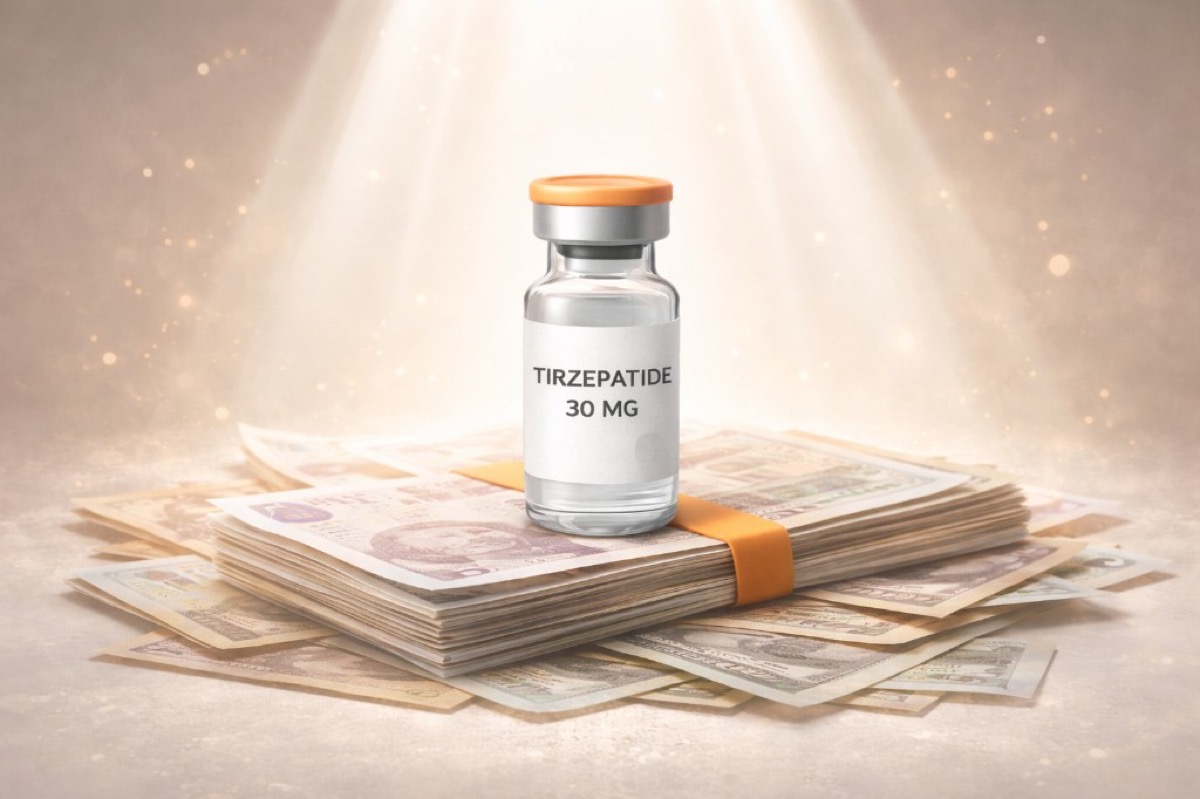
280$ for 10 vials or 5000 UAH for one? The truth about Tirzepatide prices in Ukraine
We found the real prices from Chinese suppliers. The markup of Ukrainian peptide shops (Tirzepatide, Semaglutide) reaches 900%. Market investigation.
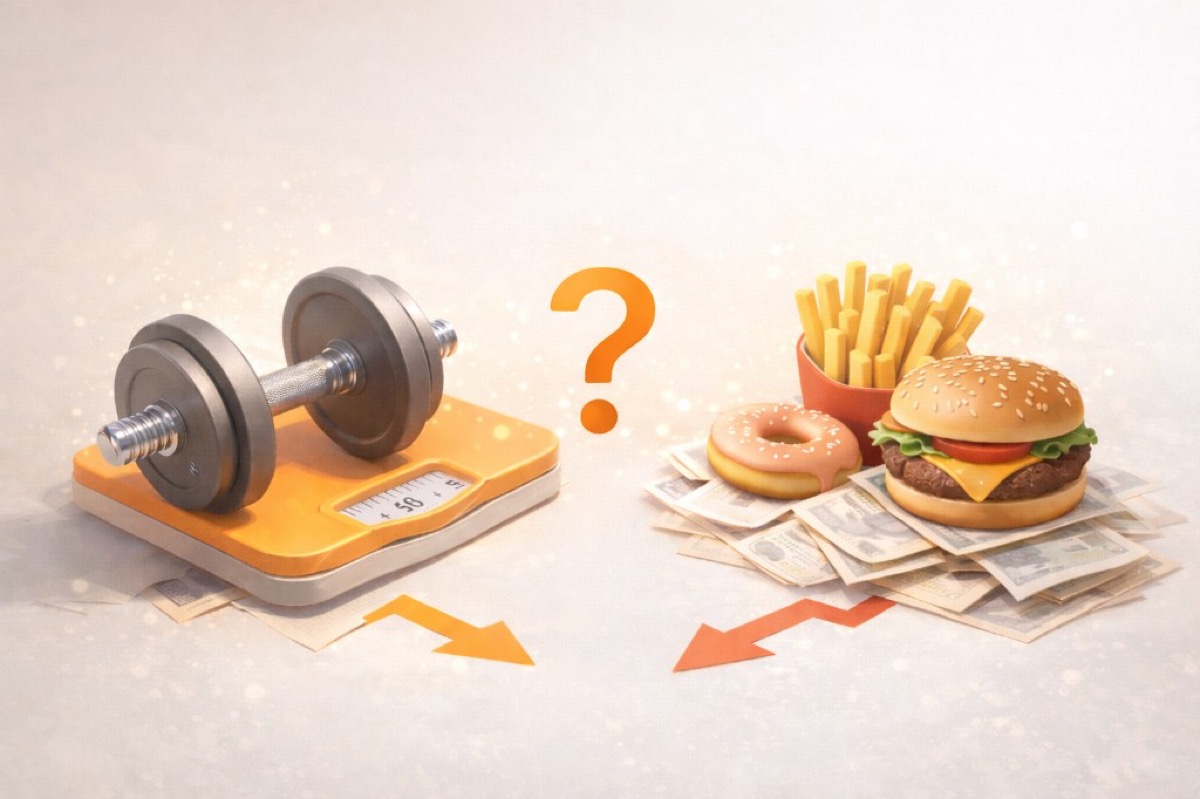
Sport Doesn't Make You Thin: Why Exercise Often Leads to Weight Gain
Exercise is important for health but its effect on weight is variable. Learn why some people do not lose weight from training or even gain weight.
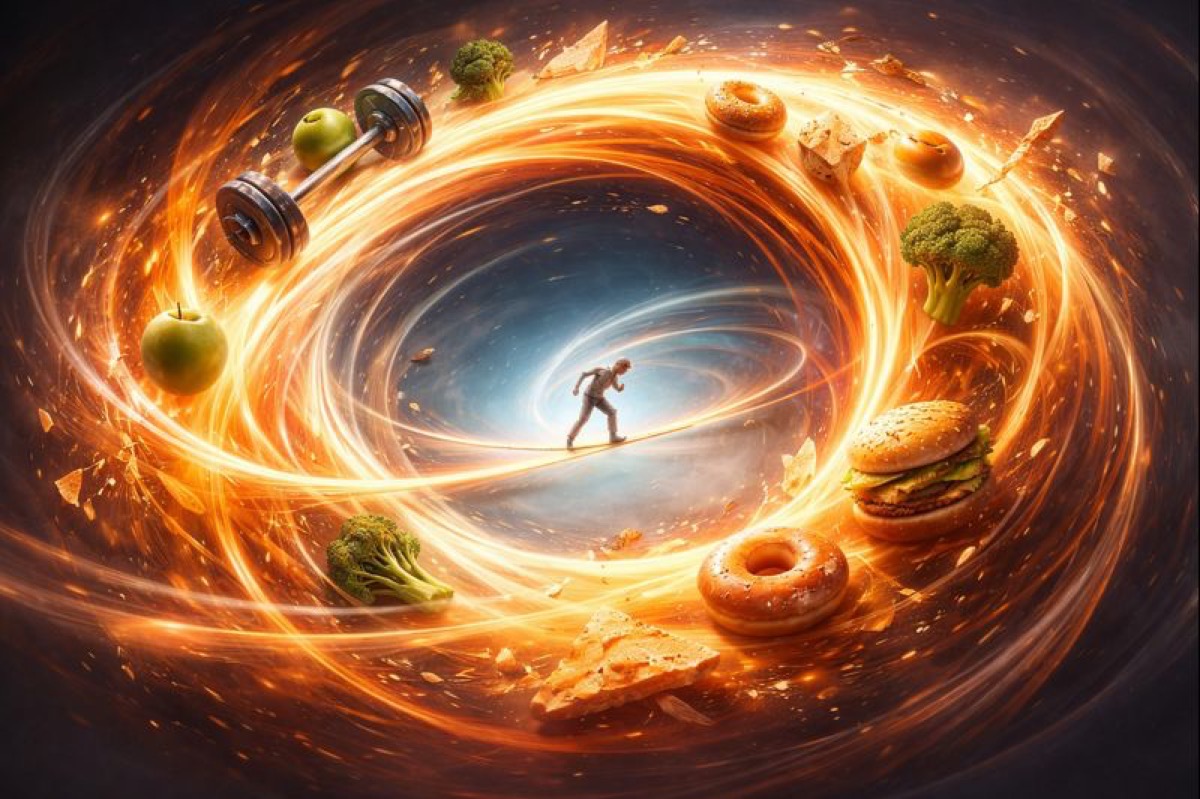
Rebound Is Not a Relapse: Why Weight Comes Back and Why That Is Normal
Weight regain after weight loss is not a failure. It is a predictable biological response driven by hormones and metabolism.
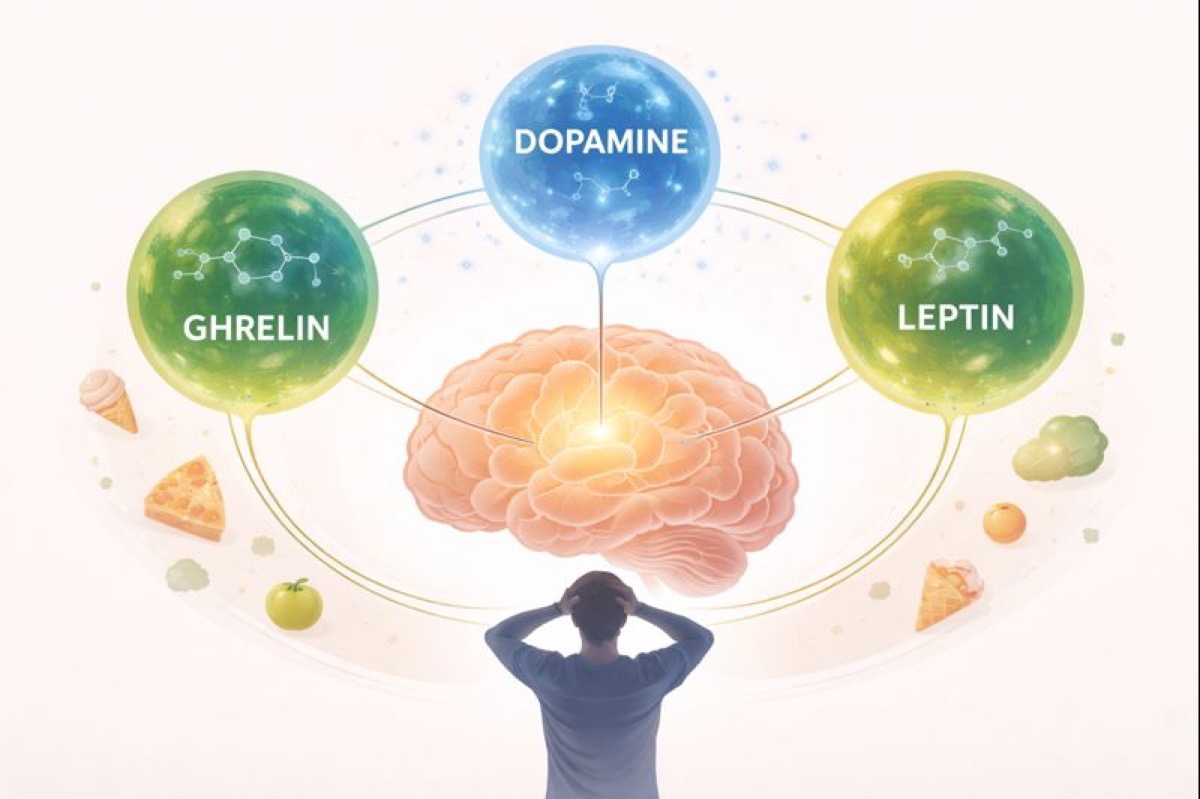
Willpower Is a Myth: Who Really Controls Your Appetite
Appetite is regulated by hormones and the brain. When diets fail, it is often biology—not weakness.
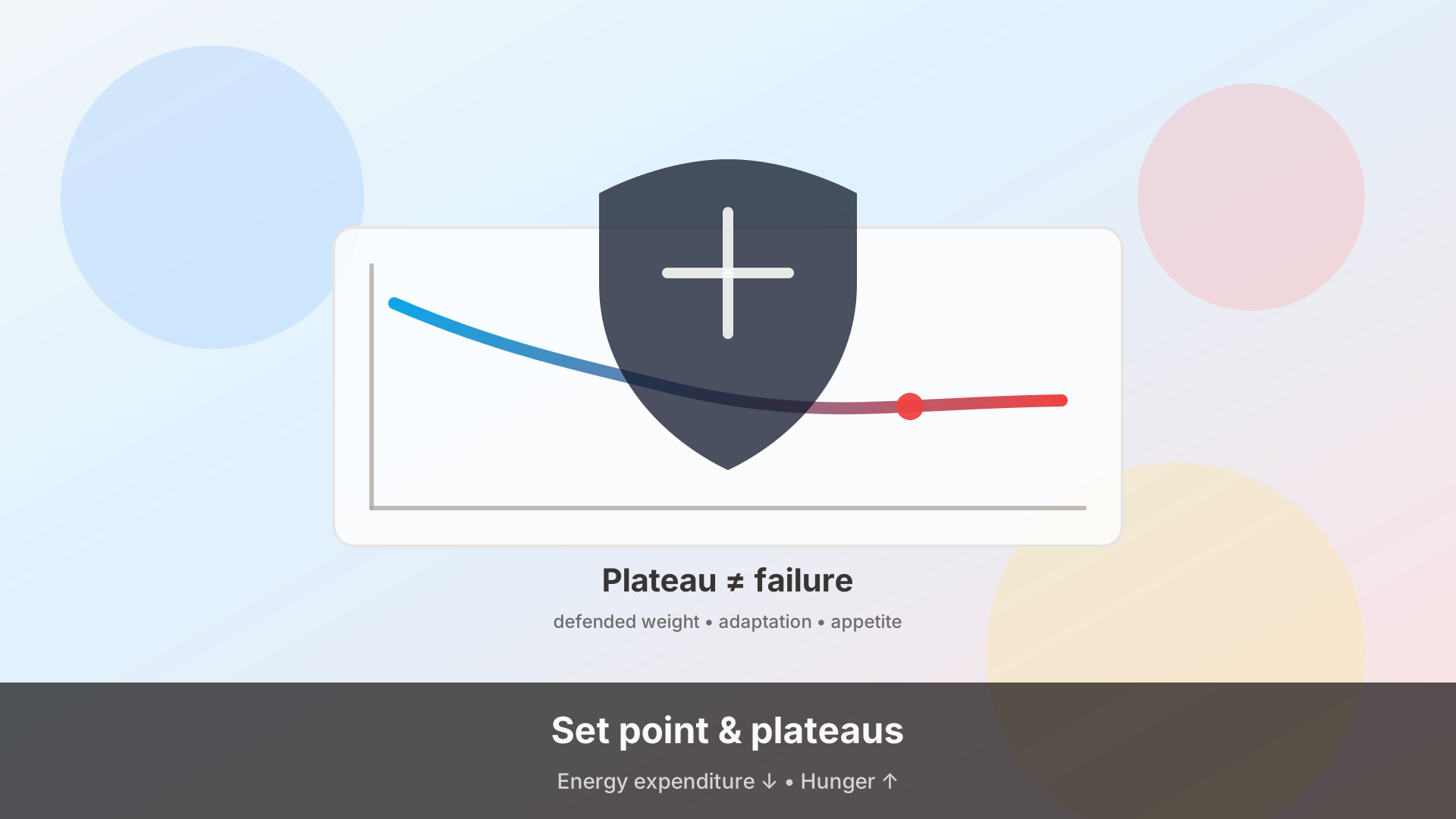
Set Point: Why Weight Stalls and Why the Body Resists Weight Loss
Weight plateaus are often an adaptation: lower energy expenditure, higher hunger, and a defended weight range.
Intuitive Eating Is Not a Universal Solution: When "Listening to Your Body" Doesn't Work
Intuitive eating can reduce food anxiety, but after dieting "hunger cues" may be distorted and lead to gradual overeating.
GLP-1: How Hormonal Therapy Breaks All "Moral" Theories of Weight Loss
GLP-1 drugs change appetite, satiety, and reward signaling—showing weight control is biology, not a moral test.
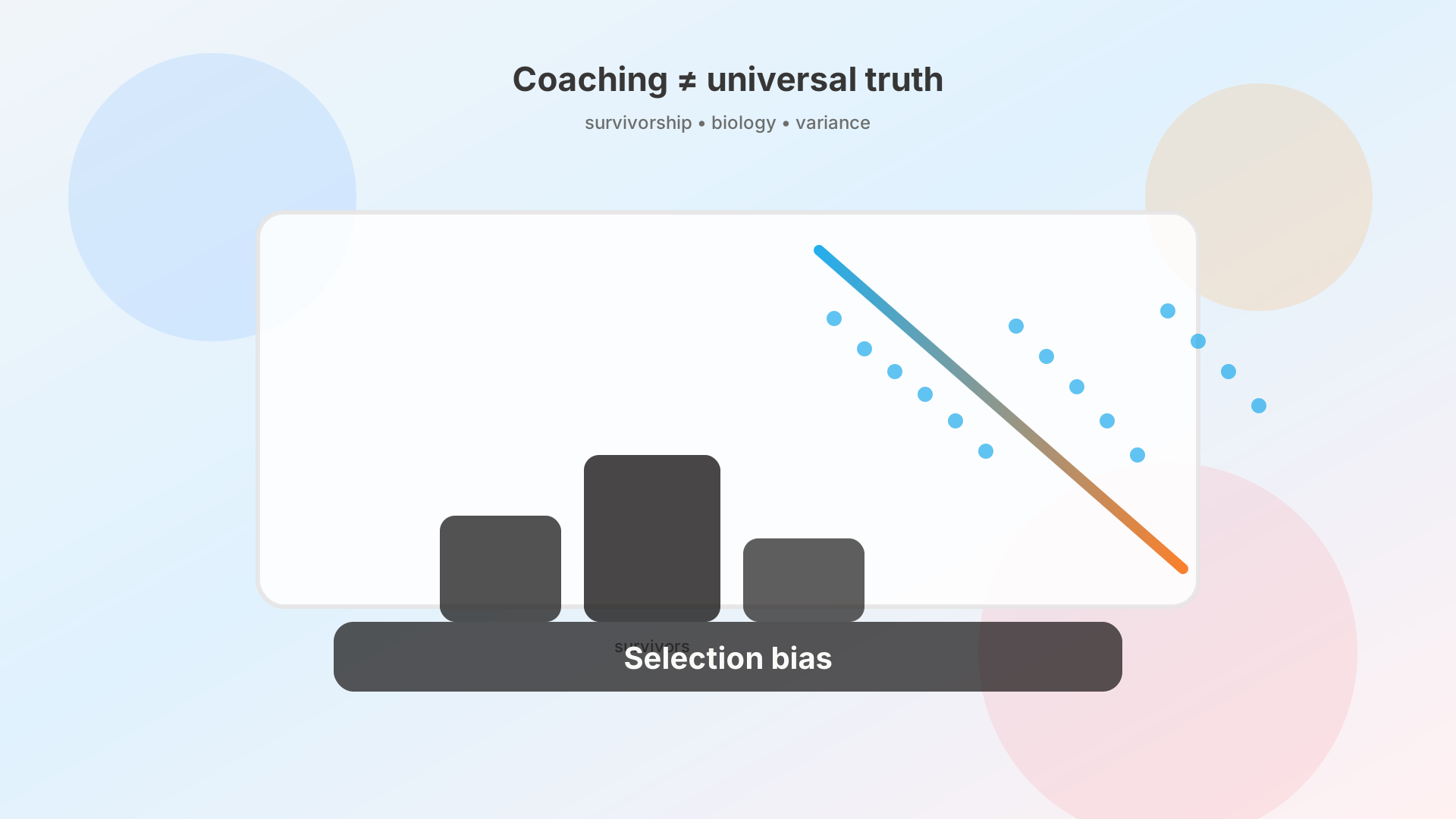
Why Most Fitness Coaches Are Wrong (Not Out of Malice)
Selection bias: many coaches never lived through true obesity, metabolic adaptation, or rebound cycles—so their model doesn't scale.
The Female Body Is Not Lazy: Why Women Often Find Weight Loss Harder
Women's bodies often defend fat mass more strongly: lower resting expenditure, cycle-related appetite shifts, and stronger adaptation.
Practical Guides
Tools and habits that help: calorie counting, food choices, hydration, and building consistency.
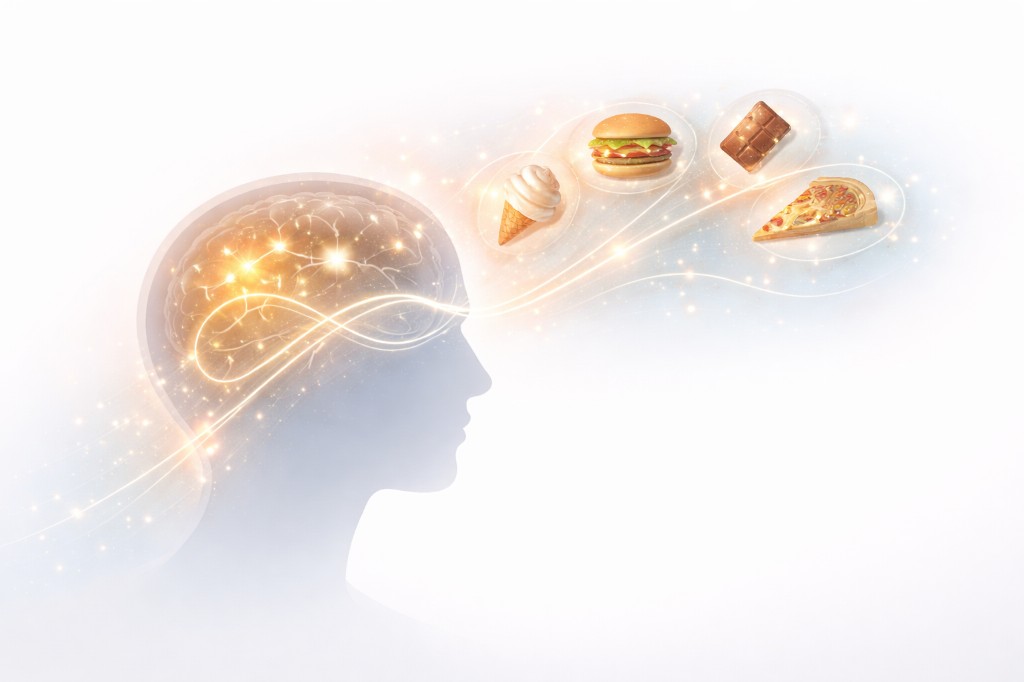
Food Noise Index: How to Measure Food Noise
Why do some people hardly think about food while others constantly do? Learn what food noise is and how to measure it with the Food Noise Index test.
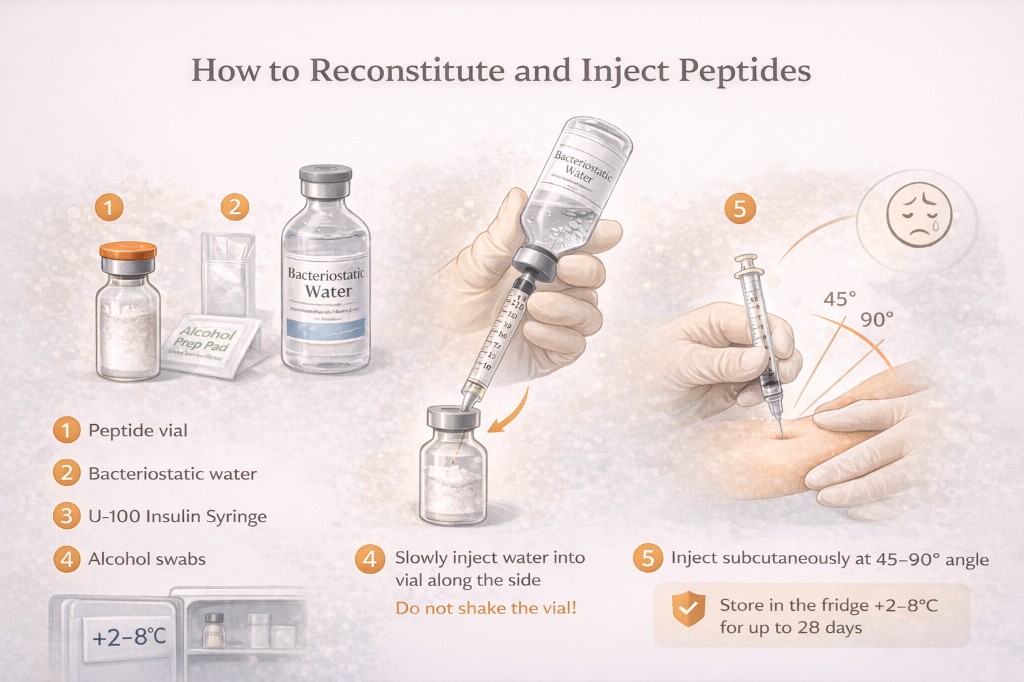
How to Reconstitute and Inject Tirzepatide, Semaglutide (Ozempic/Mounjaro) and Other Peptides: Step-by-Step Guide
Step-by-step guide: how to properly reconstitute Tirzepatide and Semaglutide. How much water to add, how to calculate the dose, where to inject, and how to store the solution.
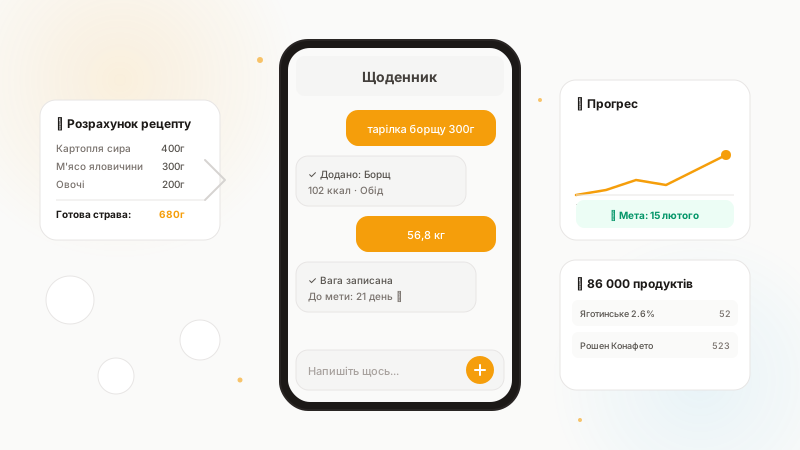
Calorize: The 'Anti-Boring' Guide to Weight Loss (Class is in Session)
Tracking fails when it feels like work. Calorize fixes that with a human AI assistant: slang, voice, context, and one-message logging.
How to Count Calories for Weight Loss — A Practical Guide
A beginner-friendly guide to calorie counting: BMR/TDEE, how to create a safe deficit, what foods to pick, and how Calorize helps you stay consistent.
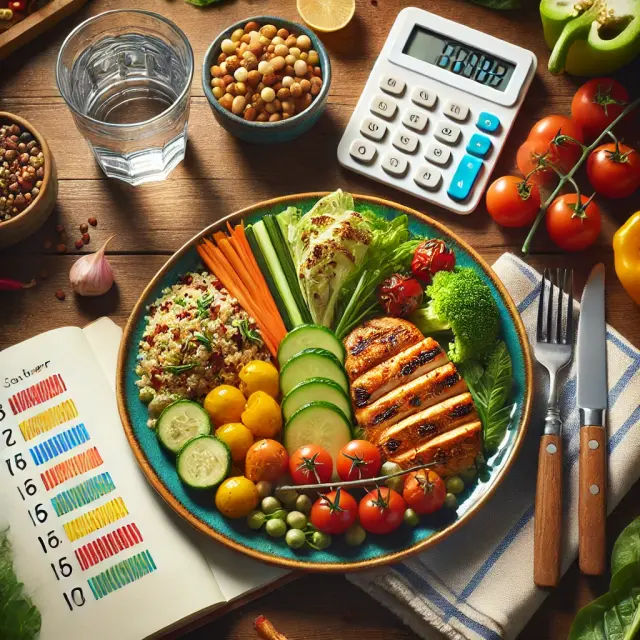
5 Tips for Effective Weight Loss
Five practical, repeatable habits that actually move the needle: deficit, quality foods, water, activity, and keeping a food diary.
TOP 10 Foods for Healthy Eating
A simple list of foods that cover the basics: protein, fiber, micronutrients, and healthy fats — with examples you can add this week.
Why Water is Important for Weight Loss?
Water supports energy, digestion, appetite control, and metabolism - here's what the research says and how much to aim for.